Complications of flying to the Super Bowl


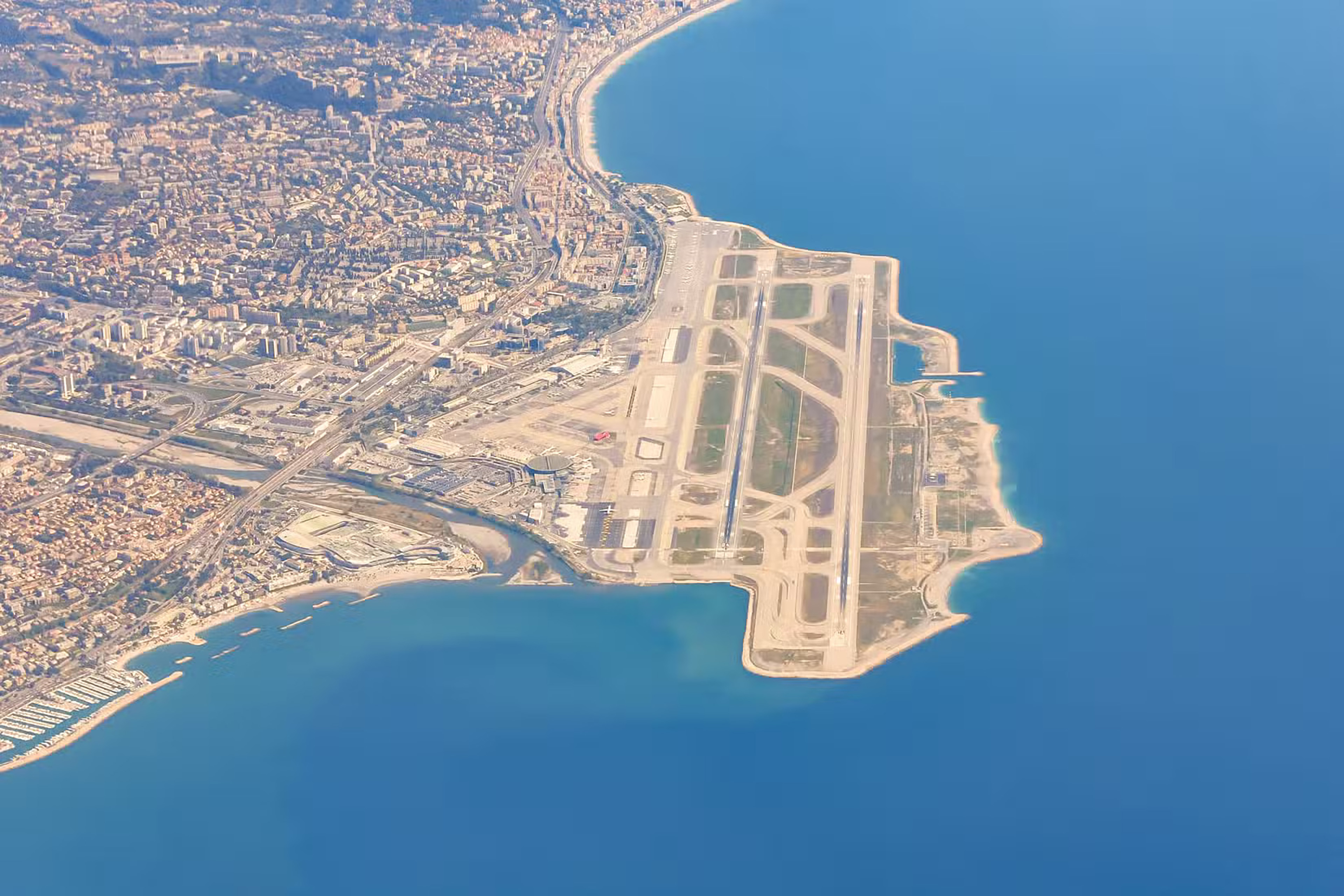
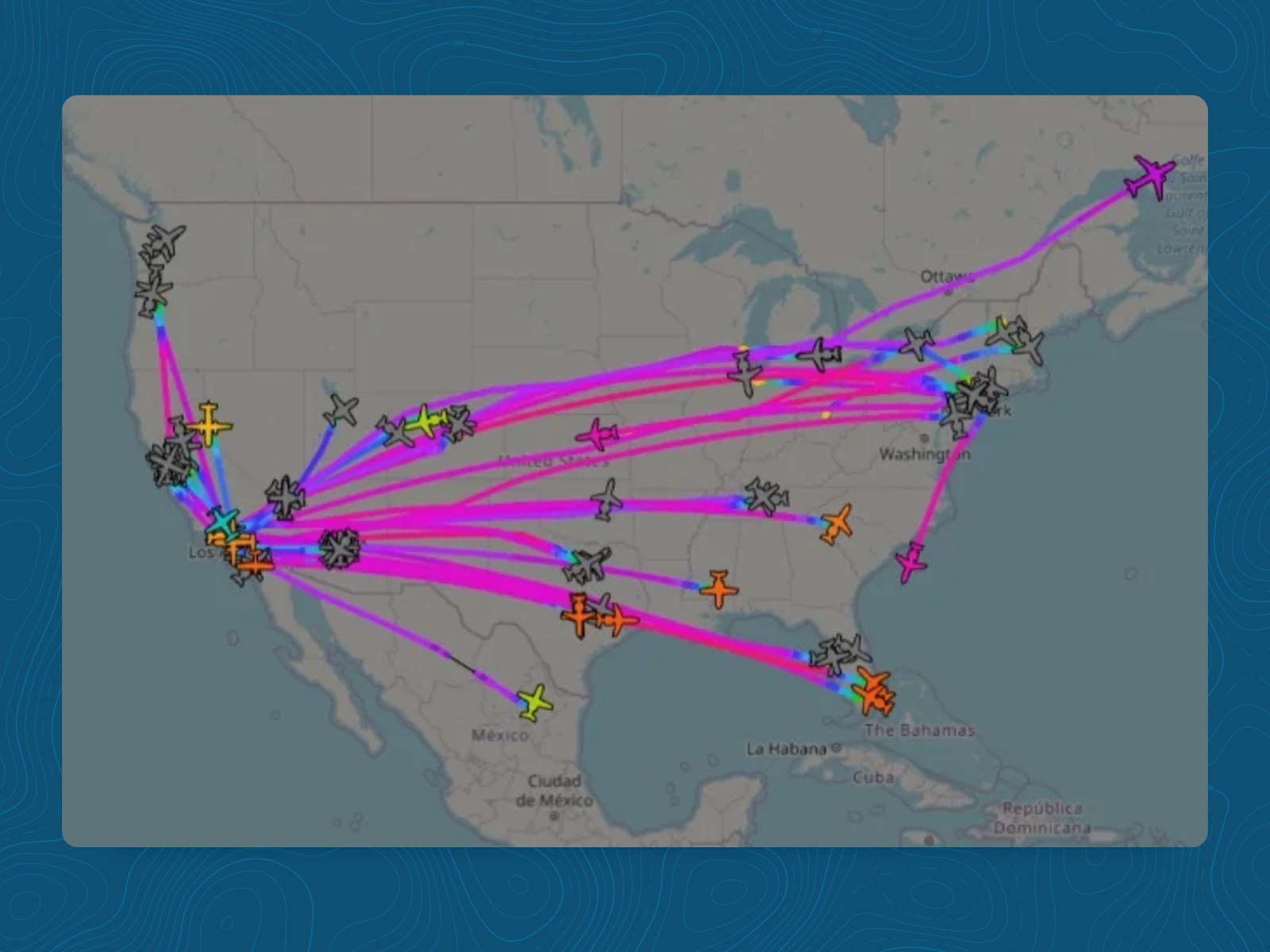
When a city hosts a large global event, local airports often become some of the busiest airspaces in the world for the days leading up to and following the event. For example, during Super Bowl LIX, more than 600 business jets flew into the New Orleans area between Friday and Sunday, more than five times higher than previous weekend’s traffic.
For business aviation operations, events like these create some of the most demanding operating environments of the year. Airport parking fills quickly, and airports experience traffic volumes far beyond their usual capacity. That means airspace becomes heavily congested as arrivals stack up and departures are slotted into narrow windows. At the same time, fuel availability, ground handling, hotels, and local transportation can be challenging to secure.
The Super Bowl is one example of how quickly a routine trip can become complicated when thousands of aircraft converge on the same area. In this blog, we’ll look at the operational challenges that come with major events and explain why thorough end-to-end trip planning is essential for effective flight operations.
Airport access and parking availability
Parking is often the first constraint operators run into during major events. Primary airports near the event location reach capacity days or even weeks in advance, requiring parking reservations, prior permission requests, and strict arrival windows. Once those limits are reached, access can be restricted with little notice, leaving late adjustments difficult or impossible.
As the primary airports fill, secondary airports become the next best option. However, these facilities can quickly exceed their typical operating levels, putting a lot of strain on ramp space, ground services, and airport personnel.
When overnight parking for your aircraft isn’t available, repositioning often becomes necessary. While this may preserve access to the event, it adds complexity. Longer crew duty days, higher fuel costs, and dependence on weather and airspace at multiple airports. Repositioning also affects post-event departures, where traffic surges leave little room to recover from delays.
Another type of parking also becomes scarce: rental car parking. Rental car agencies often surge vehicles for both commercial and private travelers leading up to an event. Pricing can become a consideration, especially at airports without on-site rental car locations. During major events, early airport and parking decisions often dictate how much flexibility remains once traffic peaks. As access and parking become more constrained on the ground, those effects carry directly into airspace complexity.
Airspace congestion and flow constraints
Even airports that routinely handle high traffic volumes can struggle when business aviation arrivals overlap with scheduled airline operations. Air traffic control uses ground delay programs, arrival slots, and miles-in-trail restrictions to manage traffic. However, these programs can change throughout the day as demand, weather, and workload evolve. Departure timing, fuel planning, and crew duty calculations are often affected, and filing early does not always guarantee priority once flow constraints are in place.
Event-driven congestion often leads to reroutes and amended clearances to balance traffic. These changes increase flight time, affect fuel requirements, and complicate coordination between dispatchers and flight crews. Continuous monitoring and coordination are critical to keeping schedules on track and minimizing disruptions.
Ground services under pressure
Fuel availability is often less about total supply and more about timing. Arrival surges create demand that can overwhelm fuel trucks and staffing, particularly during peak windows. Even when fuel is available, delays can have a ripple effect through departure schedules. High-demand seasons outside of special events can also result in long waits for fuel.
Ground handling and ramp capacity
Ground handlers face the same pressures as airports and airspace. Ramp congestion, staffing shortages, and longer service queues are common as aircraft volume increases. Standard turnaround timelines may no longer apply, and minor delays on the ramp can cascade into missed slots or extended crew duty days.
During event operations, confirmed services like fuel, handling, and other support may be less reliable than usual. Schedules shift, priorities change, and service providers must adapt in real time. Without active coordination, flight departments may find that even confirmed services are delayed or unavailable when needed.
Crew accommodations and transportation
Events like the Super Bowl place tremendous pressure on local hotel inventory. Properties closest to the primary airport and venue often sell out months in advance, forcing crews to stay further from the airport or split accommodations across multiple locations. Ground transportation is also less predictable as road congestion increases and ride services reach capacity, increasing transit times and eliminating planned rest periods.
Duty limits narrow recovery options
Extended ground delays, repositioning flights, and late-night arrivals can push crews closer to duty limits. Even minor disruptions can trigger schedule changes or require additional crew support. During event operations, there are fewer opportunities to recover lost time without affecting the trip.
How reactive planning breaks down during major events
Smaller operators typically don’t have dedicated planners for trips to major events, meaning they manage these alongside regular schedules. As complexity rises, internal teams can become reactive, spending more time coordinating vendors and monitoring constraints than supporting flight crews. This increases the risk of missed details and delayed decisions.
Without a coordinated plan, workarounds become the default and while these short-term fixes may solve immediate problems, they often cause disruptions later.
For example, accepting a last-minute repositioning to secure a parking space may fix the immediate issue, but create new constraints later. The crew’s rest window may be limited, extra fuel may be required, and departure options may be reduced. What seemed like a practical solution can later become a problem.
Why ForeFlight Trip Support matters during major events
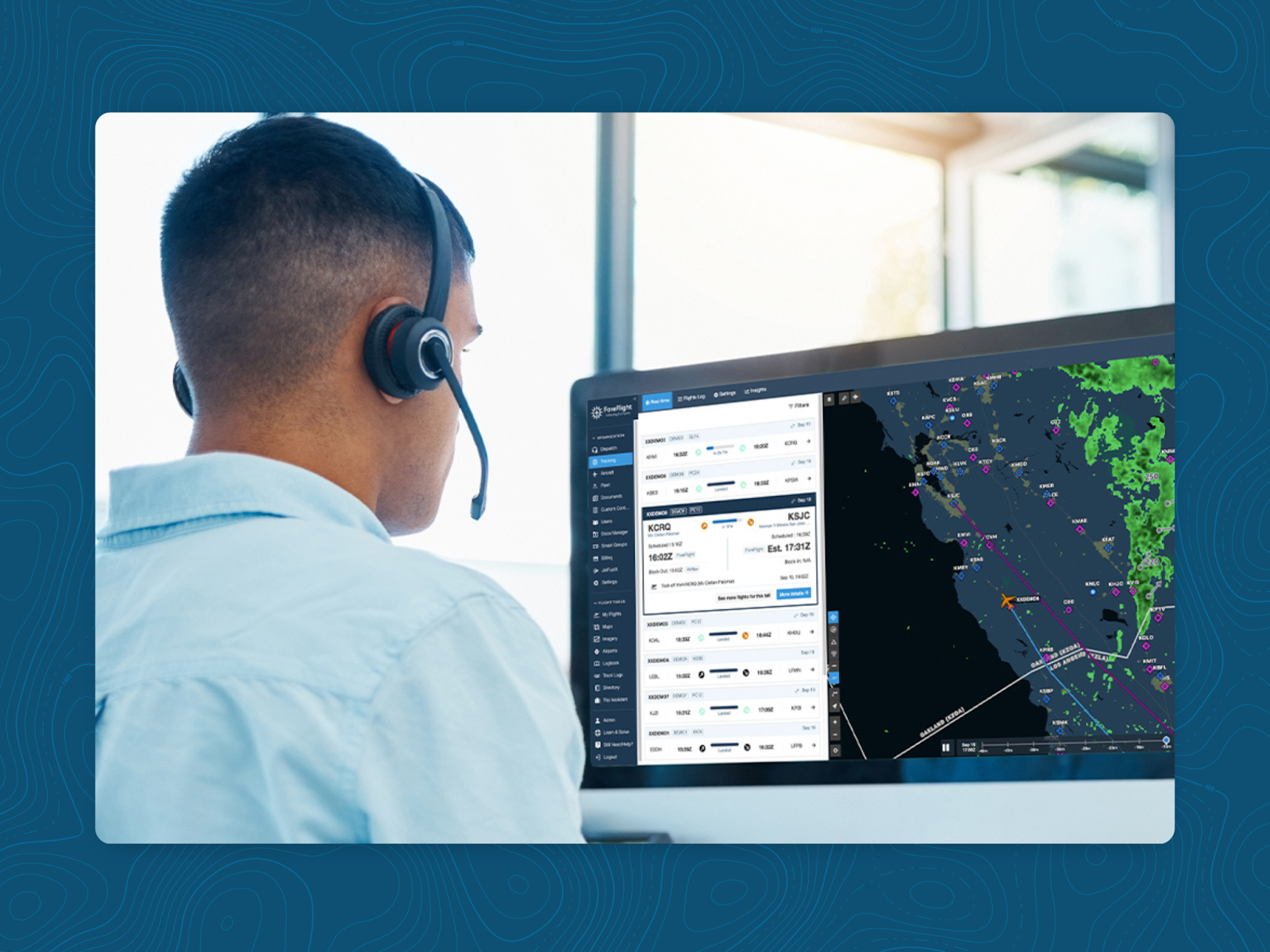
ForeFlight Trip Support is built for operating environments where traffic density, limited availability, and fixed schedules collide. During an event like the Super Bowl, Trip Support helps flight departments plan beyond a single leg or airport by evaluating parking strategies, alternates, and repositioning as part of one coordinated plan. Decisions are made with downstream impacts in mind, reducing exposure when conditions tighten.
Trip Support aligns permits, parking, fuel, ground handling, hotels, and transportation under a single plan, while actively monitoring airspace programs, NOTAM changes, weather, and service constraints as they evolve. Instead of reacting to individual disruptions, operators maintain continuity and flexibility through active oversight and coordinated execution.
Managing event operations and beyond
Routine trips can quickly become complicated when thousands of aircraft converge on the same area. Airport access is limited, airspace is crowded, and services are stretched. Success in these environments depends less on aircraft capability and more on disciplined planning, early coordination, and adaptability.
ForeFlight Trip Support exists for exactly these moments. By providing end-to-end coordination and continuous oversight, Trip Support helps flight departments manage high-density event travel with confidence, consistency, and control.
If you’re preparing for the Super Bowl or any large-scale event, let ForeFlight Trip Support handle the planning, coordination, and active monitoring that complex event operations demand.
To learn more, visit our website at ba.foreflight.com/trip-support.
ForeFlight is not affiliated with or endorsed by the National Football League (NFL). “Super Bowl” is a registered trademark of the NFL. All references are for informational purposes only.