The logistics of flying to the world cup


In June 2026, the FIFA World Cup™ kicks off, literally, and if you plan on flying into one of the 16 host cities, be prepared for some serious logistical challenges.
Unlike the Super Bowl, Formula 1, or the World Economic Forum, the World Cup isn’t a single-city event. It’s 104 matches, 48 teams, 39 days, 16 host cities, and 3 countries with more air traffic than ever from June 11 to July 19, 2026. Aircraft parking will be limited, airspace will be congested, and ground crews will be under massive pressure with limited staff.
Here’s how to fly to the World Cup without breaking your operation.
The challenge:
Business aviation is all about making complicated travel feel easy. But the World Cup schedule revolves around teams, TV broadcasts, stadiums, and security. Not around crew duty hours, customs staffing, ramp space, fuel truck availability, or whether your passengers decide at midnight that they want to follow a team from Dallas to Vancouver to Mexico City.
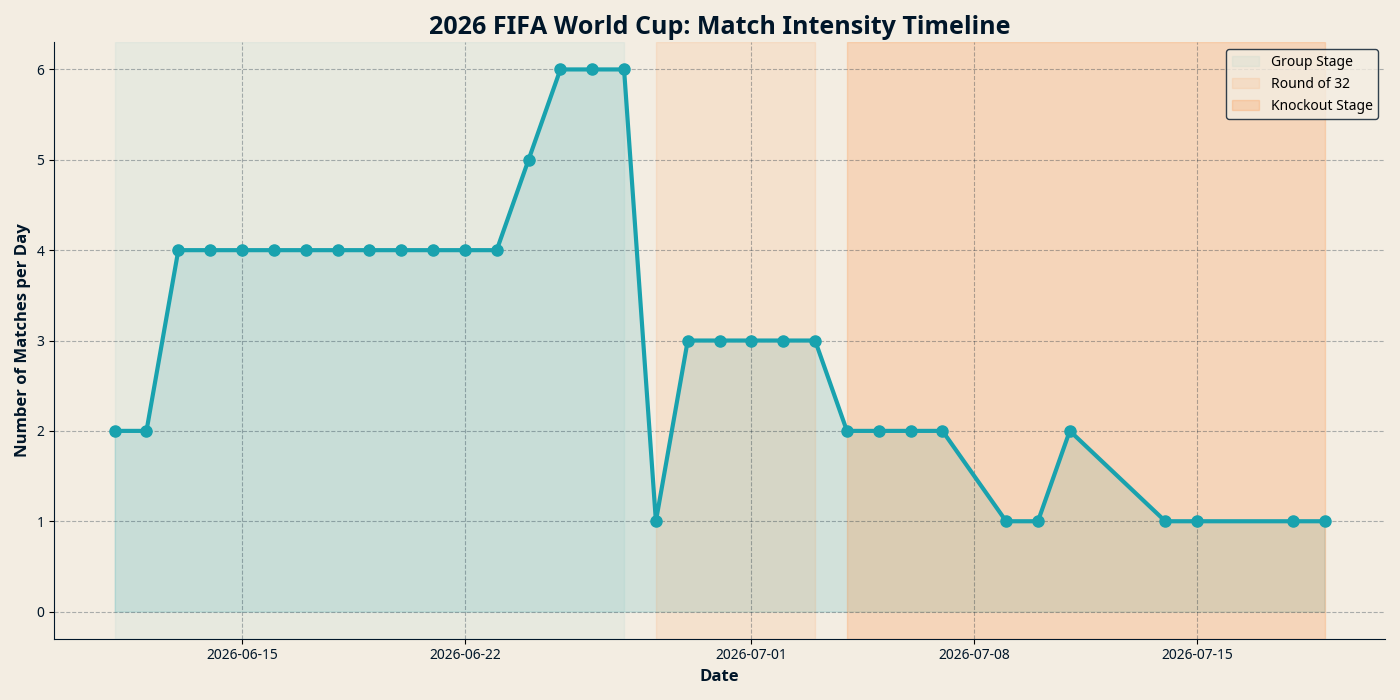
Industry forecasts suggest private jet demand may rise 200% - 300% on key host-city routes during peak match periods. AirPlx modeled 45,878 historical GA/bizav flights and projects more than 31,000 movements during the 17-day opening stage of the tournament.
The real challenge isn’t usually the aircraft’s range; it’s the environment. Will there be parking? Can your handler support the arrival? Will customs be able to process everyone? Is the airport under Prior Permission Required (PPR)? The list of questions keeps growing.
NBAA’s current guidance is that operators should secure parking reservations as far in advance as possible, expect flow programs, and be ready for PPR NOTAMs, ground delays, ground stops, and holding patterns.
Gather country-specific intel prior to planning
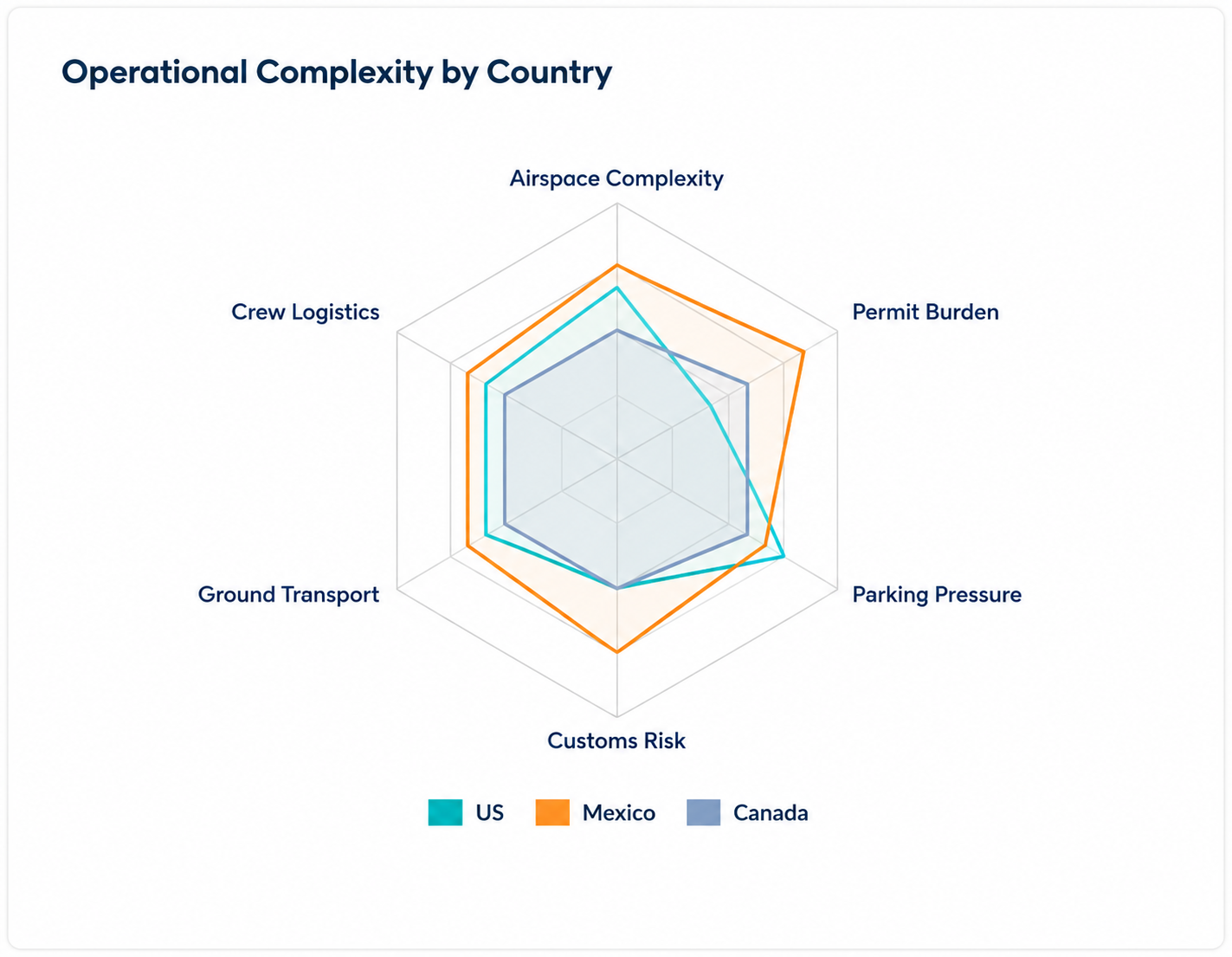
Every aircraft is different, and so is every host country. There’s no one-size-fits-all plan and knowing what makes each place unique will keep your flights running smoothly.
United States
Of the 16 host cities, 11 are in the United States. America knows how to handle big traffic surges, but the World Cup is going to push local airports to the limit.
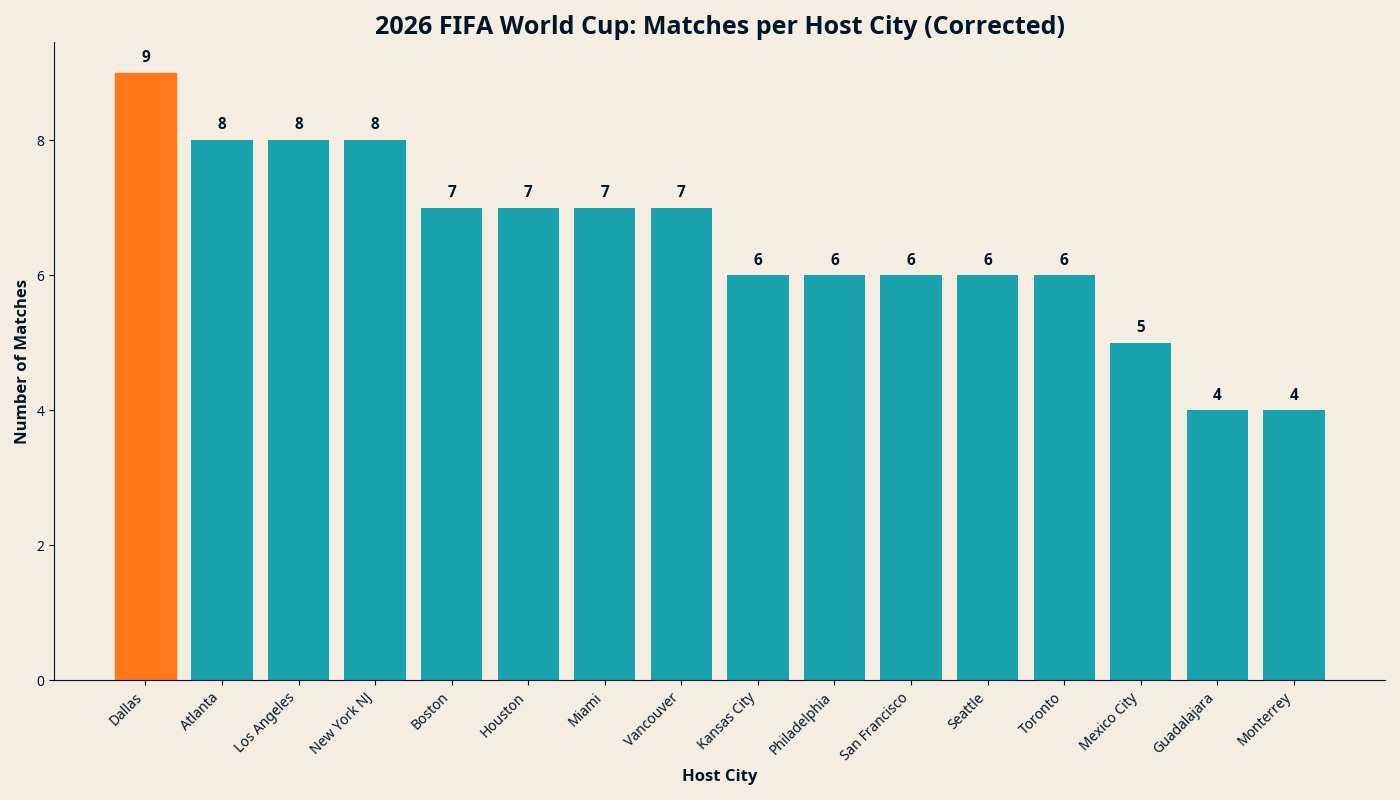
Here’s what your flight department should keep an eye on:
Slot Controls & Traffic Management Initiatives (TMI): If you’re heading to major hubs like New York (JFK/EWR/TEB), Los Angeles (LAX/LGB/HHR), Atlanta (ATL/PDK/FTY), or Miami (MIA/FLL/FXE), prepare for tight slot controls. Filing flight plans 6-24 hours in advance is the bare minimum, and airborne destination changes likely won’t be an option. Plan ahead, or plan to wait.
FBOs & special event fees: Expect FBOs to be busier than ever. Parking will be tough, and special event fees could range from $2,500 to $12,000, depending on the airport.
Mexico
A beautiful country, but one that requires patience. The World Cup matches in Mexico City, Guadalajara, and Monterrey will make the airspace really tricky.
The AFAC Permit: TL;DR: Apply early, and then apply again to be safe.
Mexico’s Agencia Federal de Aviación Civil (AFAC) handles all permits, and the process can be unpredictable. For private flights, you need the Single International Authorization (AIU), which, despite its name, is good for 180 days and allows multiple entries. But it still needs an authorization number, and that can take a few days. Charter operations shouldn’t count on getting a new blanket permit before the tournament.
Choose airports wisely: Mexico City International (MMMX) is largely off-limits for business aviation. Your best bet for Mexico City access is Toluca (MMTO), which is open 24/7 and handles a lot of business aviation traffic. Felipe Ángeles (MMSM) is also a good option for larger aircraft and overnight parking.
Guadalajara (MMGL) continues to expand with new FBOs and private Customs and Immigration facilities.
For Monterrey, MMMY is your primary option, but be aware of Del Norte (MMAN), which is closer but under military control. Saltillo (MMIO) is a solid alternative, but a longer ground transfer will be required.
Airspace and security: Mexico City’s airspace is famously congested. On match days, expect sequencing delays and a noticeable increase in military and law enforcement presence. It’s all about safety, but that means you need to be extra vigilant and flexible with your schedule.
Canada
Our neighbors to the north, Toronto and Vancouver, are also joining in to host several matches during the tournament.
PPR and Slots: Prior Permission Required and slot requirements are mandatory. Don’t try to land without an approved PPR or confirmed slot, or you’re likely going to have to divert to an alternate. (CYHM/KBUF for Toronto or CYXX/CYYJ for Vancouver)
Coordination: Both Toronto Pearson (GTAA) and Vancouver International (YVR) have dedicated Airport Reservation Offices and Online Coordination System procedures for general and business aviation. Use them and coordinate as early as possible.
Airport selection
Business aviation loves certain airports for good reasons. Teterboro for New York, Long Beach and Hawthorne for Los Angeles, Opa-locka for Miami, Addison and Love Field for Dallas, etc. During the World Cup, they may not be an option.
The closest airport isn’t always the best choice. Sometimes, it’s better to pick an airport with reliable ramp access, available customs, good crew hotels, and flexible departure windows. Sure, Teterboro is closer to MetLife Stadium, but proximity matters less if every operator has the same plan.
Here’s a quick rundown of what to expect at the primary airports: Note that these can change at a moment's notice, so always do your own research on the arrival city best suited for your operation.
Parked aircraft might be the biggest hurdle
AirPlx’s analysis of Qatar 2022 found that private jet traffic at Doha nearly tripled, with a median ground time of 21 hours and some aircraft staying for 72 hours or more. They predict that the later tournament rounds will have fewer aircraft takeoffs and landings, but more parking being filled by larger aircraft staying on the ground longer.
Ground transportation
The World Cup will turn some nearby airports into long ground operations, especially when road closures, motorcades, security perimeters, rideshare restrictions, and weather all come together. Prepared operators should build itineraries around door-to-door timing rather than block time. For passengers attending multiple matches, cluster the schedule geographically when possible.
Don’t forget about the people side of things. Crew hotels could sell out or get very expensive, catering might have shorter hours, rental cars and chauffeurs might be hard to find, and passengers might want to change cities at the last minute. Even if the aircraft is ready, a trip can still fall apart if the people you need aren’t in the right place.
The bottom line
The 2026 World Cup will reward operators who plan and execute like professionals. The obvious issues are parking, slots, and reroutes. The less obvious issues are passenger changes, ground movement, fuel availability, customs timing, and post-match departure waves. Treat every city like its own special event.
Looking for help planning a trip to the World Cup? Let ForeFlight Trip Support handle the planning.
ForeFlight is not affiliated with or endorsed by the Fédération Internationale de Football Association (FIFA). “World Cup” is a registered trademark of FIFA and all references are for informational purposes only.